
Local SEO for Home Service Businesses: Get More Local Leads in 2026
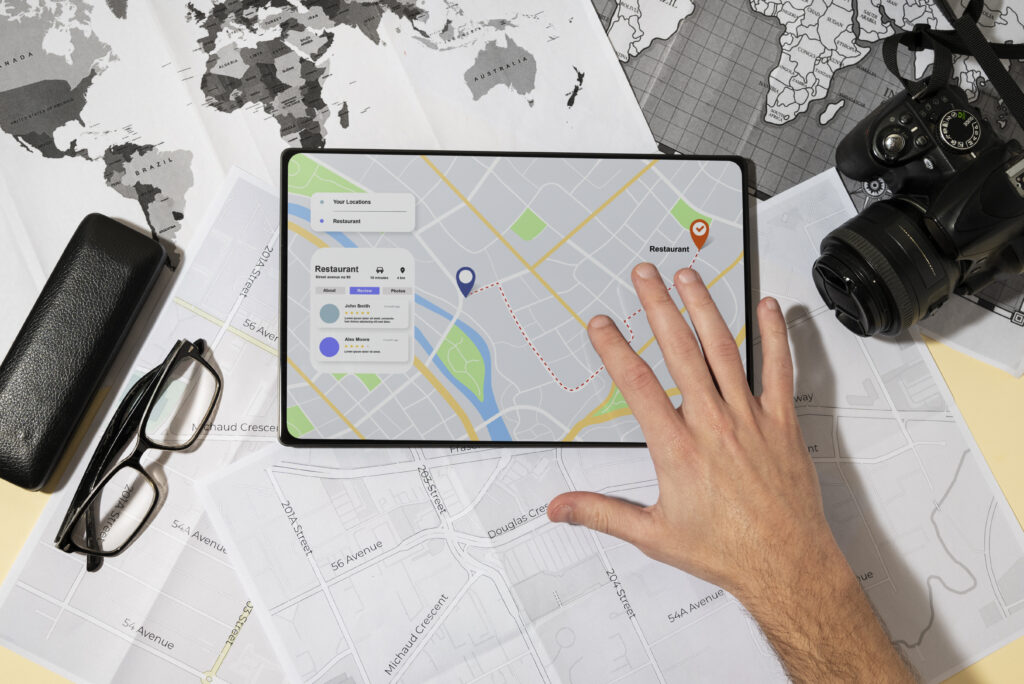
A practical guide for contractors and home service companies
Introduction
When someone needs a plumber to fix a leaking pipe, an electrician to repair faulty wiring, or a roofing contractor to repair storm damage, they often start by searching on Google. They may search for a service near them, compare local businesses, read customer reviews, and visit a few websites before deciding whom to contact.
If your business does not appear when nearby customers search for the services you offer, you could miss valuable opportunities to win new jobs. This is where Local SEO can help.
Local SEO helps home service businesses improve their visibility in local search results, connect with nearby customers, and generate more relevant enquiries. Whether you run a plumbing company, HVAC business, roofing service, electrical company, landscaping business, or remodeling company, a well-planned Local SEO strategy can help potential customers find and trust your business.
In this guide, you will learn how Local SEO works, which steps matter most in 2026, and how to turn local search visibility into real business opportunities.
What Is Local SEO for Home Service Businesses?
Local SEO is the process of improving your business’s online presence so that people searching for relevant services in your service area can find you more easily.
For example, a roofing company serving Austin, Texas, may want to appear when people search for:
- Roofing company in Austin, TX
- Roof repair near me
- Emergency roof repair in Austin
- Local roofing contractors
- Roof replacement services in Austin
These searches show that people are looking for a service in a specific area. Some may be researching their options, while others may be ready to call a contractor.
Local SEO focuses on helping your business appear for relevant searches through your Google Business Profile, website, local landing pages, customer reviews, and other trusted online information.
For home service companies, Local SEO is especially useful because many customers prefer to hire a business that serves their location and can meet their needs.
Why Is Local SEO Important for Home Service Businesses in 2026?
Homeowners often need reliable contractors to solve problems, complete repairs, or improve their properties. Local search helps them discover businesses that may be able to do the job.
Reach Customers Who Are Looking for Your Services
Someone searching for “HVAC repair near me” may have an immediate need. Appearing in relevant local results can help put your business in front of that person at the right time. Local visibility does not guarantee a new customer, but it can create more opportunities to receive calls, quote requests, and website enquiries.
Build Trust Before the First Call
Customers often compare a few businesses before choosing a contractor. They may check reviews, service details, photos, contact information, and the company’s website. A complete Google Business Profile, genuine customer feedback, and a useful website help people understand your services and decide whether your business is right for them.
Compete With Other Businesses in Your Area
Your competitors may already have well-maintained profiles, strong local pages, and many genuine reviews. A planned Local SEO strategy can help you identify gaps in your online presence and improve the areas that matter most. You do not need to copy competitors. Focus on clearly explaining your services, showing your experience, and giving customers useful information that helps them make a decision.
Support Long-Term Lead Generation
Paid advertising can help bring visitors to your website while a campaign is running. Local SEO focuses on improving your organic and local search visibility over time. Results depend on factors such as competition, location, website quality, and your business’s existing online presence. Local SEO usually requires ongoing work rather than a one-time setup.
Optimize Your Google Business Profile
Your Google Business Profile is one of the most important parts of a Local SEO strategy for eligible home service businesses. It helps customers find your business on Google Search and Maps and learn about your services before contacting you.
A complete, accurate profile gives potential customers useful information when they are comparing local contractors.
Choose the Right Business Category
Select the primary category that best describes your main business. Add relevant secondary categories only when they accurately represent the services your business provides. Categories should describe your business, not act as a list of keywords.
Add Accurate Business Information
Make sure your profile includes your correct business name, phone number and website; accurate business hours; a suitable primary category; the services you actually offer; and your correct business address or service area, depending on your business model. If you travel to customers and do not serve them at your business address, follow Google’s service-area business rules. You should generally hide the address and list the areas you serve instead. Do not use a virtual office or create extra profiles to target more locations.
Add Real Photos of Your Work
Photos help potential customers understand the type and quality of work you do. Depending on your business, you could upload completed roofing or remodeling projects, HVAC installations and repairs, landscaping projects, team members at work where appropriate, branded vehicles and equipment, and before-and-after project photos with permission. Use genuine photos whenever possible.
Keep Your Profile Updated
Review your profile regularly to make sure your services, contact details, hours, and service areas are still correct. Add new photos and relevant updates as your business grows. These steps help customers find accurate information, but they do not guarantee a higher ranking.
Build a Strong Website for Local Searches
Your Google Business Profile is only one part of Local SEO. Your website should clearly explain what you do, which customers you serve, and where you provide your services. A website that gives useful answers can help visitors decide whether to contact your business.
Create a Dedicated Page for Each Main Service
If your company offers several services, explain each major service on its own page when there is enough useful information to justify a separate page. For example, a roofing company may have pages for roof repair, roof replacement, storm damage repair, roof inspections, and commercial roofing if offered. Each page should describe the service, common customer problems, your process, relevant experience, and how to request a quote. Avoid creating multiple pages with nearly identical content just to target slightly different keywords.
Explain Which Areas You Serve
If your business works across several cities, make it easy for visitors to understand your coverage. Create dedicated location pages for important markets where you genuinely operate, with useful local service information, relevant project examples when available, and clear contact details. Do not simply replace the city name in the same paragraph to create dozens of pages.
Make Your Website Easy to Use on Mobile
Many people search for contractors from their phones. Make sure your website loads efficiently on mobile devices, displays your phone number clearly, has easy-to-use navigation, includes visible contact and quote-request buttons, uses readable text, and has working forms that are simple to complete.
Use the Right Local Keywords
Keyword research helps you understand how potential customers search for your services. For home service businesses, local keyword opportunities often combine a service with a location or a specific customer need.
|
Business type |
Example keyword |
|
Roofing |
Roof repair in Austin, TX |
|
HVAC |
AC repair in Phoenix, AZ |
|
Plumbing |
Emergency plumber in Dallas, TX |
|
Electrical |
Electrician in Tampa, FL |
|
Landscaping |
Landscaping services in Denver, CO |
|
Remodeling |
Kitchen remodeling in Seattle, WA |
These are examples, not confirmed high-volume keywords. Your actual targets should reflect your service area, competition, customer demand, and the search terms found during keyword research.
Target Specific Services, Not Just Broad Terms
A contractor may find it difficult to gain visibility for a broad term such as “plumber.” More specific searches can reveal clearer opportunities. For example, someone searching for “water heater repair in Dallas” has a more specific need than someone searching for “home improvement ideas.” Build your keyword strategy around the services you offer and the problems you solve. Use related terms naturally in page titles, headings, service descriptions, and relevant content. Avoid repeating the same phrase unnaturally.
Earn Genuine Customer Reviews and Respond to Them
Customer reviews can influence whether people trust your business enough to contact you. They also provide feedback that can help you improve your service. Ask customers for honest feedback after a completed job. Make it easy for them to leave a review by sharing your review link through an appropriate follow-up message.
You can encourage reviews by:
- Sending a polite request after completing a project.
- Including a review link in your follow-up email.
- Asking customers to share their genuine experience.
- Responding professionally to both positive and negative feedback.
When someone leaves a positive review, thank them. If a customer raises a concern, respond calmly, acknowledge the issue, and explain how you will try to resolve it. Never buy reviews, write fake testimonials, or offer rewards in exchange for positive reviews. Reviews should reflect real customer experiences and follow Google’s policies.
Build Local Authority Through Relevant Mentions and Links
Links from relevant, trusted websites can help people discover your business and provide useful context about your company. Opportunities may include joining legitimate local business associations, sponsoring relevant community events, working with local suppliers or business partners, sharing useful project information with local publications, publishing original guides, and ensuring your business details are accurate on relevant directories.
Focus on genuine relationships and useful contributions rather than purchasing large numbers of low-quality links. Keep your business name, phone number, website, and address details consistent where they are publicly listed and relevant. If your business operates as a service-area business, follow the correct address-display rules rather than publishing a private address that should be hidden.
Track Your Local SEO Performance
You need to measure whether your Local SEO work is helping your business attract the right audience and generate enquiries. Tracking rankings alone does not tell the whole story. A page can rank well but bring in few leads, while another page may attract fewer visitors who are more likely to become customers.
|
Metric |
What it helps you understand |
|
Search impressions |
How often your website appears in Google Search |
|
Organic clicks |
How many people visit your website from organic search |
|
Search queries |
What people search for before finding your site |
|
Calls and enquiry forms |
Whether visibility leads to customer contact |
|
Qualified leads |
How many enquiries fit your services and target area |
|
Booked jobs |
Whether marketing activity contributes to actual business |
|
Conversion rate |
How often visitors complete a desired action |
Use Google Search Console, Google Analytics, and Google Business Profile performance reporting to review relevant data. Set up conversion tracking correctly so that calls, forms, and other meaningful actions are measured as accurately as possible. Review the results regularly and use them to make decisions.
Common Local SEO Mistakes Home Service Businesses Should Avoid
Targeting Too Many Locations Without Useful Content
Creating a page for every nearby city may seem like a quick way to increase visibility. However, pages that repeat the same information with only the location name changed offer little value. Focus on areas you genuinely serve and create location pages that answer real questions about your services in those areas.
Ignoring Website Leads and Calls
More traffic does not always mean more business. If visitors cannot find your phone number, understand your services, or request an estimate easily, your website may lose potential customers. Make the next step clear and test your contact forms and phone links regularly.
Expecting Immediate Results
Local SEO takes time. The speed of progress depends on your starting point, competition, website condition, business reputation, and the work required. Be cautious of anyone promising instant rankings or guaranteed first-place positions on Google.
Treating Local SEO as a One-Time Task
Your services, competitors, website content, and customer needs can change. Review your business details, service pages, reviews, and performance data regularly. Update your strategy based on what you learn.
How Digital Synergy Helps Home Service Businesses Get More Local Leads
Local SEO is not just about appearing in search results. It is about helping the right customers find your business, understand your services, and take the next step toward hiring you.
At Digital Synergy, we help businesses strengthen their online presence through a practical, goal-focused digital marketing approach. For home service companies, our Local SEO work can focus on improving the parts of your online presence that matter most to local customers.
Google Business Profile optimization
Improve profile completeness, categories, services, and business information in line with Google’s guidelines.
Local keyword research
Identify relevant service and location keywords based on your offerings, market, and competition.
Website and service-page optimization
Improve page structure, content relevance, internal linking, and calls to action.
Local content strategy
Develop useful service pages, location pages, and blog content that answer customer questions.
Technical SEO
Identify crawling, indexing, mobile usability, and other technical issues that may affect your website.
Review strategy
Help you develop a process for requesting and responding to genuine customer reviews.
Performance tracking
Monitor organic visibility, website enquiries, and other relevant metrics to guide future improvements.
We believe the right strategy starts with understanding your business, the areas you serve, the services you want to grow, and the customers you want to reach. From there, we can prioritize improvements based on your needs instead of applying the same checklist to every business.
Whether you run a roofing company, plumbing service, HVAC business, electrical company, landscaping service, or remodeling business, Digital Synergy can help you build a more focused Local SEO strategy.
Ready to Improve Your Local Search Visibility?
If your website is not attracting enough local enquiries, or you want to understand where your current Local SEO strategy can improve, Digital Synergy can help you identify practical next steps. Contact Digital Synergy to discuss your Local SEO goals and explore ways to improve your local visibility, attract relevant visitors, and generate more opportunities for your business.
Frequently Asked Questions About Local SEO for Home Service Businesses
How long does Local SEO take to generate leads?
There is no fixed timeline. Some businesses may notice improvements within a few months, while others need more time because of strong competition, technical issues, or limited online visibility. Results depend on your starting point, market, and ongoing work.
Is Google Business Profile enough for Local SEO?
No. A Google Business Profile is important, but it should work alongside a useful website, well-optimized service pages, relevant local content, genuine customer reviews, and a reliable lead-tracking process.
Do home service businesses need a website for Local SEO?
A website is highly valuable because it allows you to explain your services, show your work, provide detailed information about the areas you serve, and turn visitors into enquiries. A Google Business Profile alone does not offer the same level of control over your content and customer experience.
Should I create a separate page for every city I serve?
Only when you can provide useful, relevant information for that location. Avoid publishing large numbers of near-identical pages. Each location page should serve a clear purpose and accurately reflect your business’s services and coverage.
Can Local SEO help a small contractor compete with larger companies?
Yes, it can help a smaller business improve its visibility for relevant services and locations. A clear service offering, useful website content, a complete business profile, genuine reviews, and consistent customer service can help build trust. However, ranking outcomes depend on competition and other factors.
How can I measure whether Local SEO is working?
Track relevant search impressions and clicks, website enquiries, calls, qualified leads, and booked jobs. Use Google Search Console, Google Analytics, and Google Business Profile reporting where available. Connect marketing activity to actual business outcomes whenever possible.
Recent Posts
-
Local SEO in 2026: How Service Businesses Can Get Found on Google and AI Search
-
How to Turn Social Media Content into Qualified Leads: A Practical Strategy for Small Businesses
-
Local SEO for Home Service Businesses: Get More Local Leads in 2026
-
SEO vs. Google Ads in 2026: Which Is Better for Generating Leads for Your Business?
-
How to Optimize Your Google Business Profile and Get More Local Customers